
Possible symptom
Ceiling stain after rain
Possible water entry through covering, flashing, wall junction or another source.
Next step: Arrange assessment if new or worsening.
A visual problem finder to help you describe what you can see, understand possible causes and judge when a professional assessment may be needed.
Back to Roof GuideOur roofing services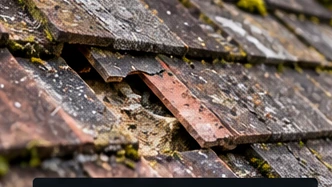
Use these categories to narrow the guide. They describe possible causes rather than confirmed diagnoses.
Possible water entry through covering, flashing, wall junction or another source.
Next step: Arrange assessment if new or worsening.
Wind, age or failed fixings can expose underlying layers.
Next step: Do not attempt to refix from the roof.
Flashing, pointing or masonry may need assessment.
Next step: Keep clear if masonry appears loose.
Drainage, substrate condition or membrane detail may be involved.
Next step: Do not assume the membrane alone is at fault.
Leaves, outlet blockage, alignment or damaged joints may be responsible.
Next step: View from a safe position only.
Roof edges and ridge details are exposed to wind and weather.
Next step: Stay clear of falling debris.
Water can travel along rafters, underlay, timber or masonry before it appears on a ceiling. A damp patch below a chimney does not automatically mean the chimney flashing is defective; wind-driven rain, masonry or nearby junctions can also be involved.
If water is affecting electrical fittings, keep clear and seek appropriate electrical and emergency advice. Do not investigate by climbing onto the roof. Read the leaks and storms guide for immediate precautions.
Sussex Roof Care Ltd shares general roofing information to help local homeowners make informed decisions. This material is educational, not a diagnosis or an offer of immediate attendance.
Visit our contact page