Leaking roof? What to do next.
Roof leaks and storm damage can be unsettling. Here are sensible actions to protect people, reduce internal damage and record the problem.
Back to Roof GuideOur roofing services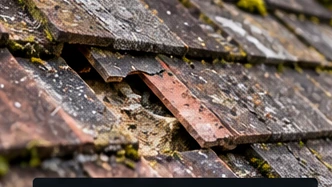
First, protect people and the property
- Stay clear of unsafe areas. Keep away from fallen tiles, loose masonry, overhead cables, damaged ceilings and unstable roof parts.
- Watch for electricity. If water is near lights, sockets or wiring, do not touch affected fittings. Seek qualified electrical advice and follow emergency procedures where necessary.
- Reduce interior damage where safe. Move possessions away from dripping water and use containers or temporary protection indoors without putting yourself at risk.
- Document the symptoms. Take date-stamped photographs from the ground and within safe areas, noting what happened and when.
- Check your insurer's requirements. Policies differ. Record damage before disposal where practical and ask how to proceed with any emergency mitigation.
- Arrange competent assessment. A safe inspection should establish the defect, appropriate access and whether temporary or permanent work is needed.
What might be causing water ingress?
Wind can displace ridge or field tiles, reveal gaps in existing coverings, damage roofline details or compromise flashing. Water can also enter through older defects that only become apparent during persistent or wind-driven rain. Interior stains do not pinpoint the external entry point.
After the storm
Check whether internal surfaces are drying, preserve relevant records and ask for a clear scope distinguishing temporary weatherproofing, fault diagnosis and permanent repairs. Do not approve substantial replacement solely because a damp patch appears after a storm.
Read our roof problem finder for symptom-by-symptom descriptions and our seasonal roof guide for preventative checks.
More roofing advice
Understand the problem before choosing the solution.
Sussex Roof Care Ltd shares general roofing information to help local homeowners make informed decisions. This material is educational, not a diagnosis or an offer of immediate attendance.
Visit our contact page